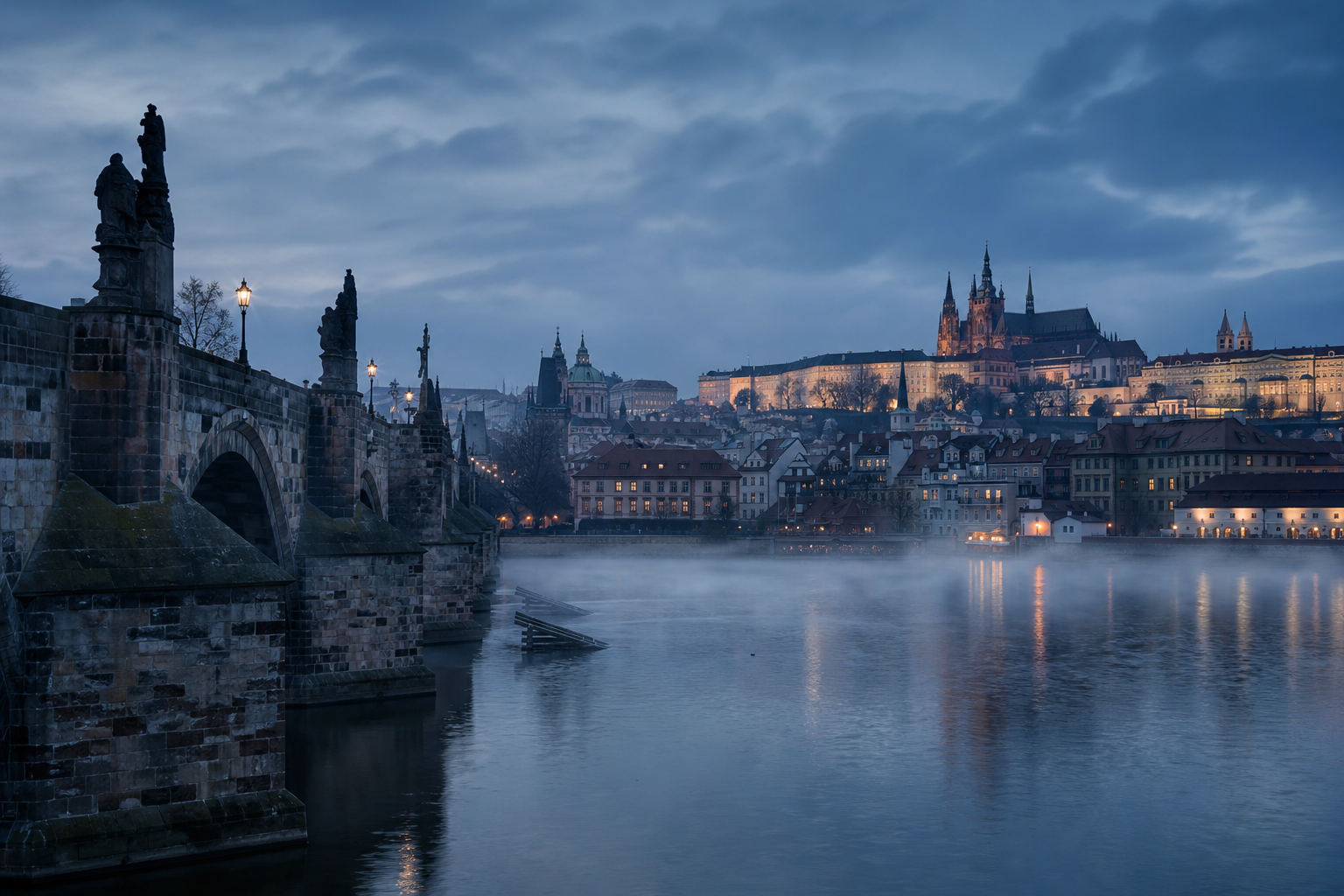
Who he was
A priest, monk, bishop, and scholar whose life tied Czech Orthodoxy to the wider Christian East.
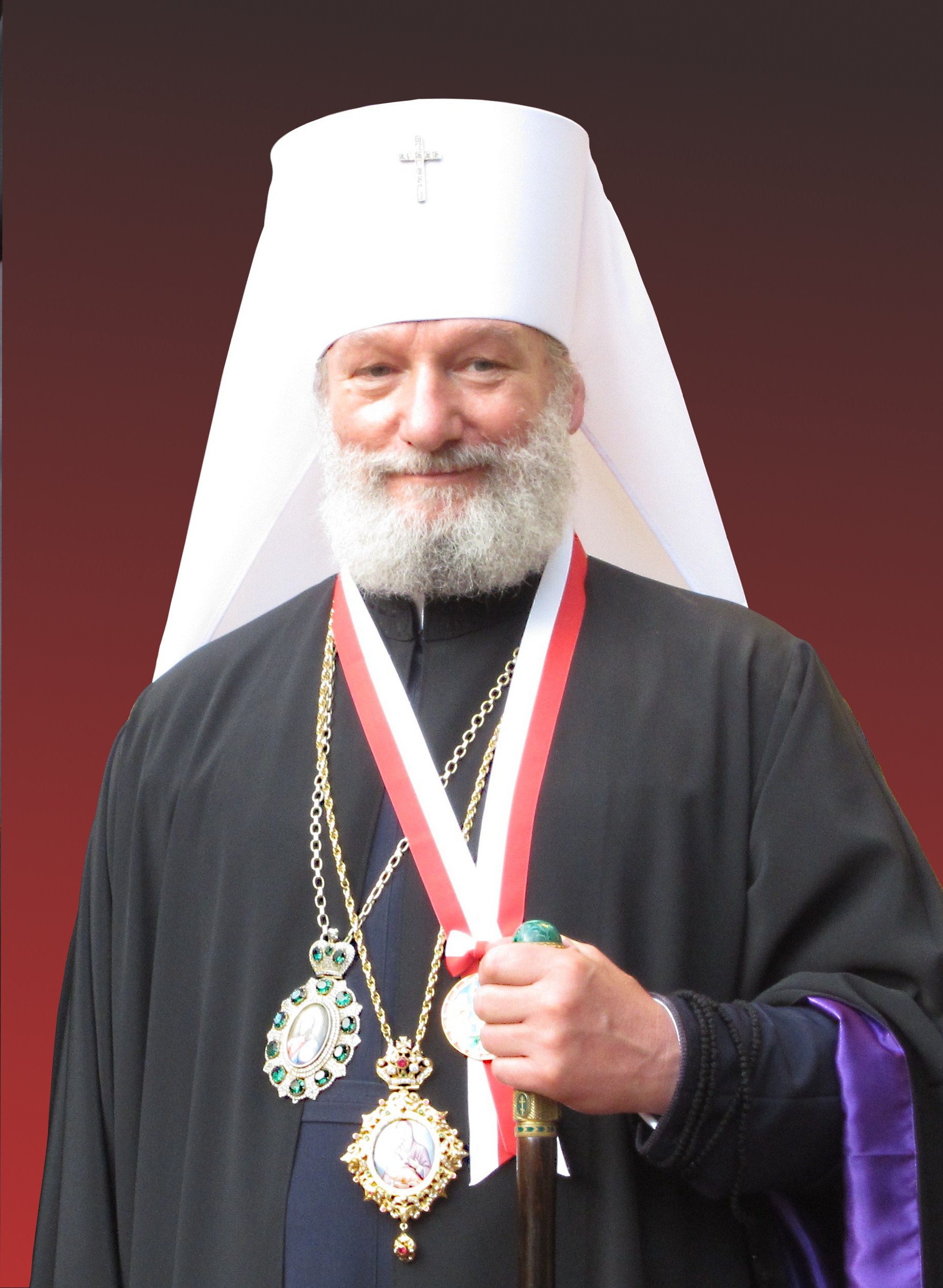
Christopher of Prague was born Radim Pulec on 29 June 1953 in Prague, son of an Old Catholic priest. He studied at the Hussite Theological Faculty in Prague, later at the Orthodox Theological Faculty in Prešov and by distance at the Moscow Theological Academy. In 1974 he was ordained a priest in the Orthodox Church.
In the 1980s he studied in Athens—Modern Greek at the University of Athens, living at the Zoodochopigi monastery—and on 7 September 1985 was tonsured at the Trinity–St. Sergius Lavra, receiving the monastic name Kryštof (Christofor). He earned a doctorate in Orthodox theology and history at Athens, and later doctoral degrees spanning theology and philosophy. Fluent in Czech, Russian, Greek, German, and English, he moved easily between parish life, academic work, and the wider Orthodox world.
After service at Prague’s Cathedral of Saints Cyril and Methodius, he became Bishop of Olomouc–Brno in 1988, Archbishop of Prague in 2000, and in 2006—chosen by lot—Metropolitan of the Czech Lands and Slovakia: the first Czech to hold that primatial office.
A life in outline
Milestones that shaped a metropolitan and a teacher of the Church.
-
Born Radim Pulec in Prague.
-
Ordained a priest in the Orthodox Church; early parish service includes Hořovičky in the Rakovník region.
-
Tonsured a monk as Kryštof (Christofor) at the Trinity–St. Sergius Lavra (7 September 1985); elevated to archimandrite; returns to serve at Prague’s cathedral.
-
Consecrated Bishop of Olomouc–Brno.
-
Founds the first Czech Orthodox women’s monastery at Vilémov near Litovel.
-
Named Archbishop of Prague and of the Czech Lands after the repose of Metropolitan Dorotheus.
-
Enthroned Metropolitan of the Czech Lands and Slovakia—the first Czech primate of the Church.
-
Establishes a Roma spiritual mission in Rokycany.
-
Resigns the metropolitanate amid controversy, stating a wish to preserve the unity of the Church; continues monastic and academic life thereafter.
-
Named professor of church history and Byzantology; continues writing, teaching, and prayer—including residence at the Monastery of the Lord’s Transfiguration in Těšov.
What he left behind
Leadership, community, and a body of teaching that still serves Czech Orthodoxy.
Church and mission
As metropolitan he represented the Orthodox Church of the Czech Lands and Slovakia at home and abroad. He founded the women’s monastery at Vilémov (1991) and, two decades later, a Roma spiritual mission in Rokycany—marks of a primate attentive both to contemplative life and to people often left at the margins. He taught at universities in Prešov, Olomouc, and Brno, forming clergy and laity in theology and history.
Selected works
- Úvod a přehledné dějiny byzantského státu 1995
- Pravoslavný svět 2000
- Sv. Nektarios Eginský, metropolita Pentapolský 2005
- Naše pravoslaví 2009
- Pravoslavná Praha 2011
- Český pravoslavný žaltář 2022
Why remember
Czech Orthodoxy is a thin but unbroken thread through a century of upheaval. Christopher of Prague stands in that thread as the first Czech to wear the metropolitan’s cross—a scholar who carried the language of Byzantium into Czech classrooms, and a pastor who planted a monastery and a mission. To remember him is to keep that inheritance visible: faith rooted in place, learning offered freely, and a name—Christofor—that still means one who bears Christ through the city of Prague.
Sources
Biographical facts on this page are drawn from the following references.
- Christopher of Prague — English Wikipedia Overview biography and primatial timeline (2006–2013).
- Kryštof (arcibiskup) — Czech Wikipedia Detailed Czech-language life, education, publications, and resignation context.
- Christopher (Pulec) of Prague — OrthodoxWiki Orthodox Church biographical timeline and succession notes.
- Kryštof — Religionistická encyklopedie (Czech Academy of Sciences) Scholarly encyclopedia entry on his life, mission work, and publications.
- Fifth anniversary of Metropolitan Christopher’s enthronement — Orthodox Church in America OCA report on the 2011 anniversary liturgy at Saints Cyril and Methodius Cathedral, Prague.
- Odstoupil metropolita Kryštof — ČT24 Czech public television report on his resignation (12 April 2013).
- Wikimedia Commons — Metropolitan Christopher Public photographs, including the portrait used on this page.